

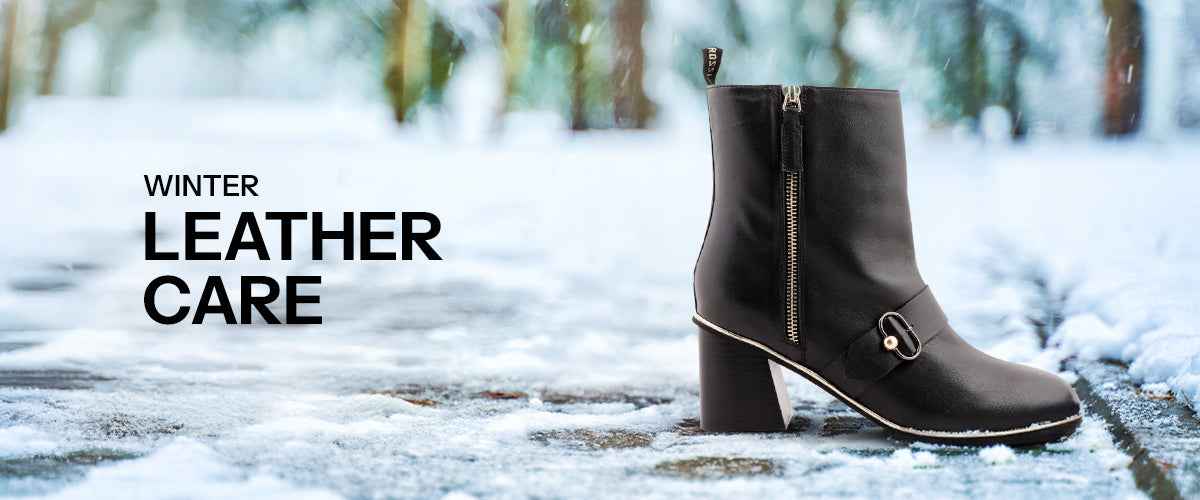
Winter Leather Care: How to Protect Your Shoes from Cold and Damp

Leather shoes are an investment in craftsmanship and confidence. They hold their shape, elevate your outfit, and tell stories of the roads you’ve walked. But winter brings a challenge. Cold winds, damp streets, and unpredictable weather can quietly wear down the finest pair of shoes. That’s why understanding Winter Leather Care isn’t just about maintenance, it’s about preserving the soul of your footwear.
Leather, being a natural material, reacts to temperature and moisture like skin. It needs care, nourishment, and the right protection to stay supple through the season. Whether you own a pair of formal lace-ups, suede boots, or luxurious loafers, here’s a complete guide to keeping your shoes safe from winter’s bite.
Why Winter is Hard on Leather
Leather absorbs moisture easily. When exposed to snow, rain, or even mist, the surface fibers swell, harden, and crack as they dry. Add to that cold air that pulls moisture out of the leather, and you have the perfect storm for dullness and stiffness.
The salt and grime often used on roads during winter worsen the damage, leaving white streaks and stains on your favorite shoes. Without proper Winter Leather Care, even premium leather can lose its sheen and strength.
Step 1: Start with a Clean Surface
Before applying any protector or conditioner, always begin with clean shoes. Dirt, dust, or salt residues create a barrier that prevents care products from penetrating the leather.
How to clean leather in winter:
- Wipe off loose dirt using a soft, slightly damp cloth.
- If salt marks appear, mix equal parts white vinegar and water, then gently dab the area with a clean cloth. This neutralizes the salt without drying out the leather.
- Allow the shoes to air-dry at room temperature, never near a heater or in direct sunlight.
Cleaning regularly during the season prevents buildup and ensures the next steps in your Winter Leather Care routine are effective.
Step 2: Nourish the Leather
Cold weather strips natural oils from leather, making it prone to cracks. Conditioning restores those essential oils, keeping the material supple and resilient.
Choose a conditioner designed for winter use. Creamy, wax-based formulas work best. Apply a small amount with a soft cloth, spreading it evenly in circular motions. Pay attention to stress points such as toe creases and the sides of the shoe.
Allow it to absorb overnight if possible, and buff gently in the morning. Conditioning once every two weeks during winter helps your shoes maintain their flexibility and depth of color.
Step 3: Waterproofing is Essential
Waterproofing doesn’t mean making your shoes completely water-resistant, but it does add a strong protective layer that repels moisture. For Winter Leather Care, this step is critical.
Use a beeswax-based or silicone-free spray. Beeswax provides a natural seal without suffocating the leather, while silicone-free options ensure breathability. Hold the spray at least six inches away and coat the shoes evenly.
For suede or nubuck shoes, choose a specialized waterproofing spray to avoid altering the texture. Once applied, let your shoes rest for at least 24 hours before wearing them outside.
Step 4: Dry Shoes Properly After Exposure
Even with care, it’s nearly impossible to avoid all contact with moisture during winter. How you dry your shoes afterward determines whether they age gracefully or deteriorate quickly.
- Remove the laces and insoles to allow airflow.
- Stuff the shoes with newspaper or cedar shoe trees to help retain shape and absorb moisture.
- Place them in a dry, ventilated room, away from direct heat sources.
Never use hair dryers or heaters, as intense heat causes the leather to shrink and stiffen. Slow, natural drying is the foundation of effective Leather Care.
Step 5: Mind the Soles and Edges
The upper part of the shoe often gets all the attention, but the soles and edges take the most impact in winter. Slush, grit, and uneven surfaces wear them out faster.
Wipe the soles after every wear and check for small cracks or separations. Applying a thin coat of sole protector or wax helps repel moisture. If the soles are leather, consider adding rubber half-soles for extra grip and durability during the colder months.
Step 6: Rotate Your Pairs
Leather needs rest. Wearing the same pair daily traps moisture inside and accelerates wear. During winter, it’s especially important to alternate between at least two pairs.
Rotation allows each pair to breathe and dry naturally between uses. It also extends the lifespan of your footwear, a simple but often overlooked Winter Leather Care tip that makes a significant difference over time.
Step 7: Store Smartly
Storage plays a crucial role in keeping leather healthy. Damp corners and poorly ventilated closets create mildew, while excessive heat dries out the leather.
Store your shoes in breathable fabric bags or boxes with ventilation holes. Slip in silica gel packs to absorb any lingering moisture. For long-term storage, use cedar shoe trees, which maintain shape, prevent odor, and naturally resist mold.
Avoid plastic covers, which trap humidity and promote fungal growth.
Step 8: Take Extra Care of Suede and Nubuck
Suede and nubuck shoes bring texture and richness to winter outfits but need special handling. These materials are more porous and delicate than full-grain leather.
- Brush suede shoes with a suede brush before and after wearing to remove dust and restore the nap.
- For stains, use a suede eraser or a white pencil eraser, rubbing gently in circular motions.
- Protect with a dedicated suede waterproofing spray.
Store suede shoes away from direct light to prevent fading. When given proper Winter Leather Care, suede retains its velvety finish even through harsh seasons.
Step 9: Restore Shine and Finish
Winter dulls the luster of leather shoes, but regular polishing can bring back their warmth and depth.
Choose a polish that matches your shoe’s color and apply it using a clean cloth or a soft-bristle brush. Let it sit for five to ten minutes, then buff in small circles until the surface glows.
For extra protection, finish with a thin layer of neutral wax. It seals in the shine and acts as an additional barrier against winter moisture.
Step 10: Professional Maintenance
If your shoes have seen several winters or developed stubborn watermarks, take them to a professional cobbler for a seasonal check-up. Expert conditioning, sole repairs, or recoloring can revive even heavily used leather.
Investing in maintenance once a year keeps your shoes performing and looking their best. A cobbler can also recommend the right products for your shoe type, ensuring your Winter Leather Care routine stays effective and safe.
Tip: Prepare Before the Season Starts
The best care begins before winter truly arrives. Clean and condition your shoes in early autumn, and apply a protective coat before the first chill. Preventive care always works better than reactive fixes.
Bringing It All Together
Good Winter Leather Care isn’t complicated; it’s consistent. Clean regularly, condition deeply, protect thoughtfully, and store properly. The rewards are visible in every polished step, every supple crease, every season that passes with your shoes looking as fine as the day you bought them.
Leather is alive in its own way; it softens, breathes, and carries character. When you care for it through winter’s harshness, you preserve not only the material but also the craftsmanship and stories it holds.
Your shoes deserve that attention, especially when the world outside turns cold and wet. A little patience and care today ensure they’ll carry you through many winters to come.









Leave a comment
This site is protected by hCaptcha and the hCaptcha Privacy Policy and Terms of Service apply.