

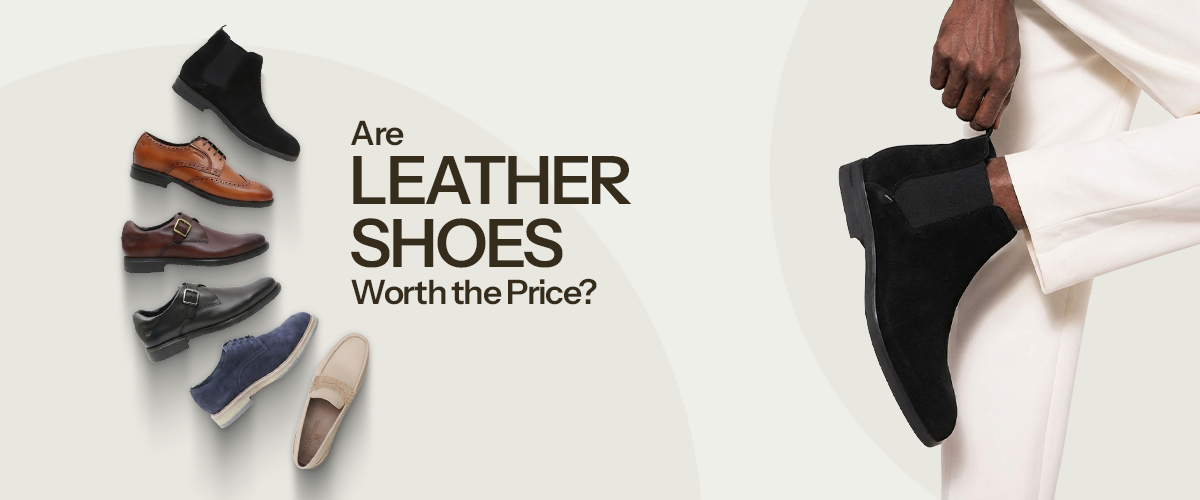
Are Leather Shoes Worth the Price? Value & Longevity Guide

In today’s footwear market, options are everywhere. From synthetic sneakers to affordable formal shoes, there’s something available at almost every price point. Yet despite all this variety, leather shoes continue to hold a special place in fashion and everyday wardrobes. They’re often more expensive than many alternatives, which naturally raises a familiar question: are leather shoes really worth the price?
For most people today, shoes are more than just something to wear out the door. They’re expected to offer comfort, durability, and style; all while keeping up with busy routines. This is where leather shoes tend to stand out. Known for their craftsmanship, adaptability, and longevity, they bring together qualities that many other materials struggle to match.
To understand whether leather shoes are worth the investment, it helps to look beyond the initial price tag. When comfort, durability, and long-term use are taken into account, their value starts to make much more sense.
Why Leather Shoes Have Remained a Classic
Fashion trends come and go, but some wardrobe staples never really disappear. Leather shoes are one of them. A big part of their lasting appeal is versatility. A well-made pair of leather shoes can work with almost anything, tailored suits, formal wear, or even smart-casual outfits. Because they strike that balance between polished and practical, they’ve remained a dependable choice for both professional and social settings.
There’s also something about the look of leather that naturally elevates an outfit. It has a refined finish that feels polished without being overly flashy. Whether worn with office attire or paired with relaxed weekend clothing, leather shoes add a subtle sense of sophistication that synthetic materials often struggle to replicate. For many people, leather footwear isn’t just another purchase. It becomes a reliable part of their everyday wardrobe.
The Material Advantage of Leather
At the heart of every pair of leather shoes is the material itself. Leather is valued for its strength, flexibility, and ability to adapt over time. Unlike synthetic materials designed to imitate its appearance, genuine leather changes slightly as it’s worn, developing character while still maintaining its durability.
One of the biggest differences is how leather interacts with the foot. Instead of staying stiff, the material gradually softens and adjusts to the wearer’s natural shape. Over time, this creates a more comfortable and personalized fit. Leather is also naturally breathable. Compared to many artificial materials, it allows air to circulate more easily, which helps keep feet comfortable throughout the day. These qualities make leather shoes particularly well-suited for long hours of wear, whether at work, during travel, or on days when you’re constantly on the move.
Comfort That Improves with Time
One of the unique things about leather shoes is that they tend to feel better the more you wear them.
When you first try on a new pair, they might feel slightly structured. But as the leather begins to adapt to your feet, the shoes gradually become softer and more flexible. This adjustment period is often called the break-in phase, and it’s a normal part of wearing leather footwear.
While it may take a little patience at the beginning, the result is a pair of shoes that feels more tailored to your feet over time.
Several factors contribute to this comfort:
- Leather naturally moves with the foot
- Breathable material helps regulate temperature
- Structured design provides support without feeling rigid
- For people who spend long hours walking, standing, or commuting, these qualities can make a noticeable difference.
Craftsmanship and Construction
Of course, the value of leather shoes isn’t just about the material. How the shoe is made matters just as much. Well-made leather shoes are the result of careful construction. Details like stitching, shaping, and finishing all play a role in how the shoe performs and how long it lasts. Skilled craftsmanship ensures that each part of the shoe works together to support the foot comfortably. Good construction also helps leather shoes maintain their shape over time. Instead of losing structure after repeated use, they tend to hold their silhouette much better than many synthetic options.
Another advantage is that leather shoes can often be repaired. Components that wear down over time can be replaced without discarding the entire shoe. This ability to restore and maintain the footwear adds significantly to its long-term value.
Durability and Longevity
Durability is one of the biggest reasons people choose leather shoes.
Many synthetic shoes start to show signs of wear fairly quickly, especially if they’re worn often. Surfaces may peel, seams can weaken, and the structure of the shoe may begin to change. Leather tends to perform differently. With proper care, leather shoes can handle years of regular wear while still maintaining their shape and appearance.
For individuals who rely on their shoes daily, this durability can make a big difference. Rather than replacing footwear every few months, investing in a pair designed to last can feel like a smarter long-term choice. In many ways, leather footwear reflects a more thoughtful approach to buying, choosing quality that lasts rather than convenience that fades quickly.
Looking at Cost Through “Cost Per Wear”
When evaluating the price of leather shoes, it’s often helpful to think about cost per wear rather than just the upfront price. A less expensive pair of shoes might seem appealing at first, but if it needs to be replaced after a short time, the overall cost can add up quickly.
A well-made pair of leather shoes, on the other hand, may last for years with regular use. When you divide the cost across all those wears, the price often becomes much more reasonable. This way of thinking has become more common in fashion today, as more people focus on buying pieces that offer lasting value instead of short-term trends.
Style That Ages Well
Another reason leather shoes continue to be popular is how well they age. While many synthetic materials tend to deteriorate visibly over time, leather often develops subtle character with wear. Small changes in the surface give the material depth and richness rather than making it look worn out.
With proper care, leather shoes can continue to look refined even after years of use. This is particularly valuable in professional settings where appearance still matters. Because of this lasting appeal, leather shoes can remain a dependable part of your wardrobe long after other types of footwear would have been replaced.
The Importance of Proper Care
Like any quality item, leather shoes benefit from a little maintenance. The good news is that caring for them doesn’t require complicated routines. A few simple habits can help extend their lifespan significantly:
- Cleaning off dust and dirt regularly
- Conditioning the leather to keep it soft
- Using shoe trees to help maintain shape
- Rotating between pairs to give shoes time to rest
With consistent care, leather shoes can maintain both their appearance and comfort for years.
Take a look to know how to take care of leather shoes
Who Should Consider Leather Shoes?
Leather shoes tend to make the most sense for people who wear structured footwear regularly. Professionals who follow a business or smart-casual dress code often find leather shoes especially practical because they work well in multiple settings. A single pair can transition easily from office meetings to social gatherings.
Frequent travelers and people with busy daily routines may also appreciate the durability and comfort that leather footwear offers. Because they balance practicality with timeless style, leather shoes continue to be one of the most dependable choices in modern wardrobes.
So, Are Leather Shoes Worth the Price?
In many cases, yes. While leather shoes may cost more upfront, they are designed to deliver long-term value. Their durability, comfort, and timeless appearance often mean they stay in use far longer than many alternatives. They adapt to the wearer, maintain their structure over time, and continue to look refined even after years of use. In a world where fashion trends move quickly, leather shoes remain a steady classic, offering craftsmanship, practicality, and style in a way that few materials can match.










Leave a comment
This site is protected by hCaptcha and the hCaptcha Privacy Policy and Terms of Service apply.